
OnlyFans Owner Leonid Radvinsky Dies at 43 – What It Means for the Creator Economy
23 Mar 2026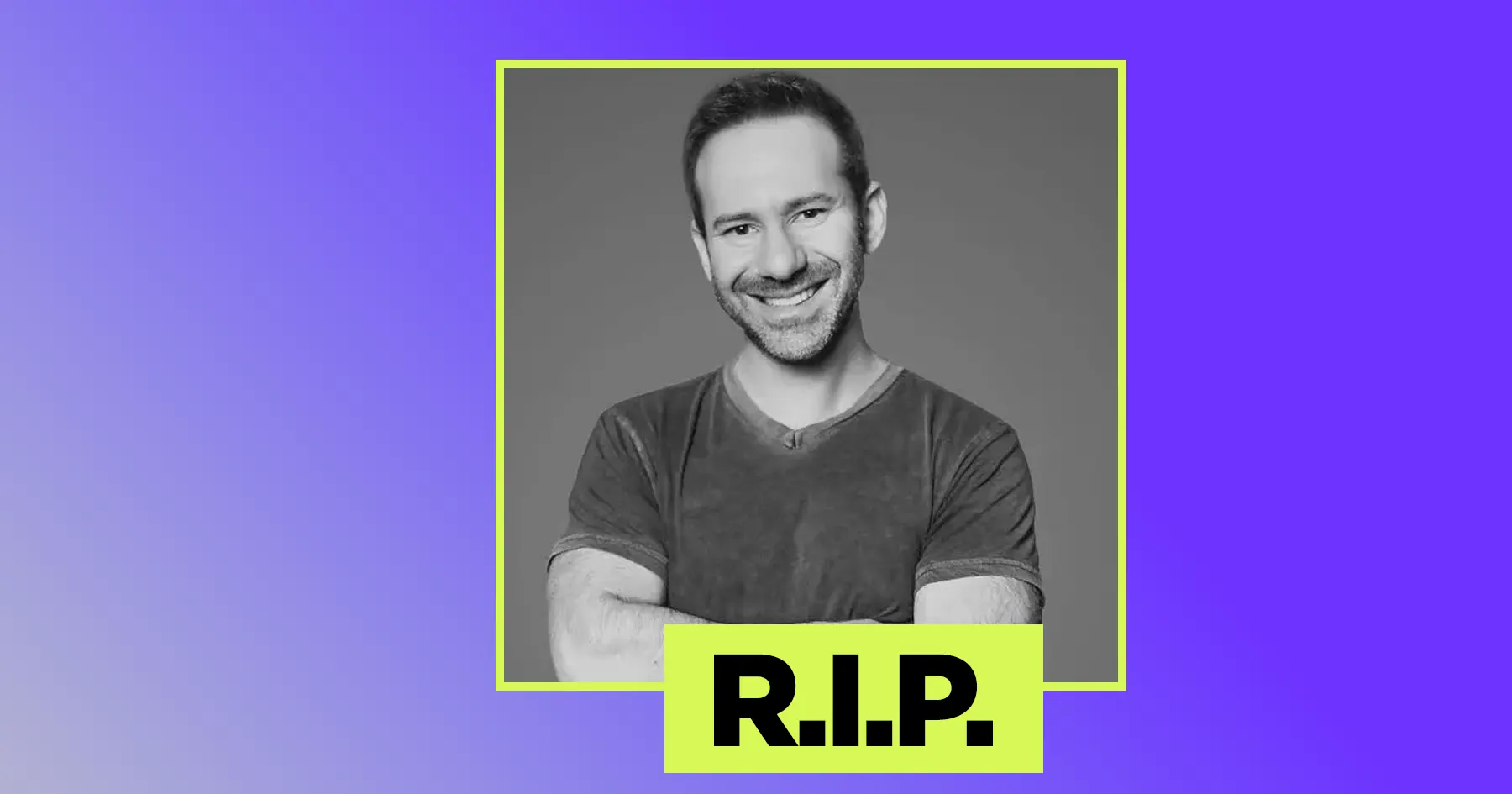
The online creator world was shaken by the news that OnlyFans owner Leonid Radvinsky has died at the age of 43. The entrepreneur, who helped transform OnlyFans into one of the most influential platforms in the adult content industry, reportedly passed away peacefully after a long battle with cancer.
For millions of creators and fans around the world, this moment raises questions about the future of the platform — and about the broader evolution of the subscription content economy.
Who Was Leonid Radvinsky?
Leonid Radvinsky was a Ukrainian-born businessman who grew up in Chicago and later built a fortune through investments in online platforms and technology ventures. He purchased OnlyFans in 2018 from its UK-based founders, a move that would later prove to be one of the most significant deals in the history of adult entertainment.
Under his ownership, OnlyFans grew from a niche subscription platform into a global phenomenon. The site’s popularity surged during the Covid-19 pandemic, when lockdowns pushed both creators and fans to seek new ways to connect online.
Within just a few years, Radvinsky became a billionaire, appearing on Forbes’ annual list thanks to the explosive growth of the platform.
The Rise of OnlyFans Under His Leadership
Founded in 2016, OnlyFans allows creators to share exclusive content with paying subscribers. While the platform hosts a wide range of content — including fitness, cooking, and lifestyle — it is best known for adult material and its unique direct connection between creators and fans.
Features like livestreams, private messaging, tipping, and custom content requests helped redefine how adult performers could monetize their audience. Instead of relying on studios or traditional distribution channels, creators were suddenly able to build independent businesses.
OnlyFans takes a 20% commission on all payments, a model that proved extremely profitable. According to recent company filings, the platform generated $1.4 billion in revenue from more than $7 billion in transactions, serving over 377 million subscribers and hosting content from 4.6 million creators.
This scale made OnlyFans not just a website, but a key player in the global creator economy.
Controversies and Regulatory Pressure
The rapid expansion of OnlyFans also brought intense scrutiny. Lawmakers and regulators in several countries questioned how the platform handled age verification and illegal content.
In 2024, British regulators launched an investigation into whether minors had been able to access adult material. Although the probe was eventually dropped, the company received a significant fine for failing to provide accurate information about its age-check systems.
OnlyFans had faced similar criticism in previous years, with accusations that it did not act quickly enough against illegal content. These controversies highlighted the challenges of operating a global platform built around user-generated adult material.
The 2021 Adult Content Ban That Never Happened
One of the most dramatic moments during Radvinsky’s tenure came in August 2021, when OnlyFans announced plans to ban sexually explicit content. The proposal caused immediate backlash from creators and users, many of whom depended on the platform for their income.
Within days, the company reversed its decision, demonstrating the power of the creator community and the economic importance of adult content to the platform’s success.
This episode became a defining example of how digital platforms must balance regulatory pressure, financial partnerships, and user expectations.
Legal Battles and Platform Challenges
OnlyFans also faced legal disputes from users who claimed they had been misled during private chats. Some subscribers alleged that conversations they believed were with creators were actually handled by third-party agencies.
While these lawsuits did not succeed, they reflected broader tensions within the subscription content industry, particularly around authenticity and transparency.
As the platform continued to grow, maintaining trust between creators, fans, and the company itself remained a crucial challenge.
Radvinsky’s Business Interests and Philanthropy
Beyond OnlyFans, Radvinsky invested in various tech startups through his Florida-based venture capital firm, Leo.com. He also supported charitable causes, including donations to cancer research institutions such as Memorial Sloan Kettering Cancer Center.
At the time of his death, Forbes estimated his net worth at $4.7 billion. Reports indicated he had been exploring the potential sale of OnlyFans in recent years, suggesting that strategic changes for the platform were already under consideration.
What His Death Means for Creators and Fans
The passing of Leonid Radvinsky could mark a turning point for the adult creator economy. Leadership transitions often bring changes in business strategy, platform policies, and long-term vision.
For creators, this uncertainty highlights the importance of diversifying their promotion channels and maintaining visibility outside of OnlyFans itself.
Because the platform has limited discovery features, many performers rely on external tools — including social media, marketing agencies, and specialized search engines — to reach new audiences.
Sites like OnlyFans search engines help bridge this gap by allowing fans to discover creators based on niche, location, or content style. This ecosystem has grown alongside OnlyFans and is likely to become even more important as the industry evolves.
The Future of the Subscription Content Industry
Regardless of what happens next, Leonid Radvinsky’s impact on digital adult entertainment is undeniable. He helped popularize a model that gave creators more independence, better revenue opportunities, and direct relationships with their audience.
Today, millions of people earn income through subscription platforms inspired by the OnlyFans model. The creator economy continues to expand into new niches, technologies, and business structures.
His death may signal the end of an era — but also the beginning of a new phase where innovation, competition, and discoverability will shape how fans and creators connect online.